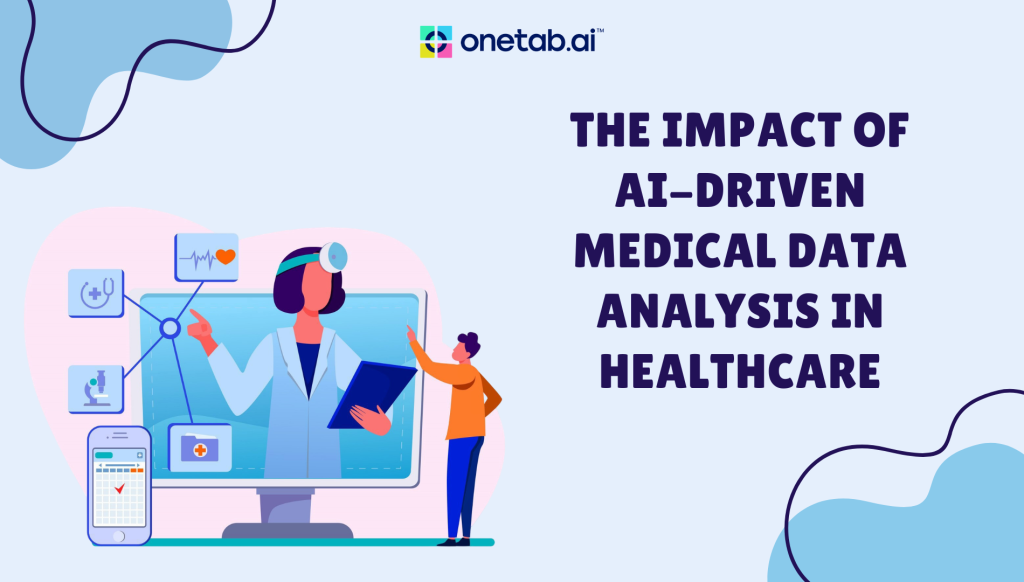
Healthcare has always generated data: patient histories, lab reports, prescriptions, imaging scans. But for a long time, much of this information remained underused, scattered across systems, or locked in silos.
Today, that’s changing.
With the rise of digital systems and advanced analytics, medical data is no longer just stored, it’s actively shaping how healthcare is delivered, experienced, and improved. From clinical decisions to patient engagement to research breakthroughs, data is becoming one of the most powerful assets in modern healthcare.
From Information to Insight
Medical data on its own has limited value. The real impact comes from how it is analyzed and applied.
When structured and interpreted correctly, data can:
- reveal patterns in diseases
- highlight risks early
- support faster, more accurate decisions
- improve overall efficiency in care delivery
What was once static information is now a dynamic tool for action.
How Medical Data Empowers Doctors
Doctors operate in high-pressure environments where decisions often need to be both fast and precise. Medical data plays a critical role in supporting this.
1. Better Diagnosis and Decision-Making
Access to comprehensive patient records allows doctors to make more informed diagnoses. Historical data, combined with current symptoms and test results, provides a clearer clinical picture.
2. Reduced Uncertainty
Data-driven insights can highlight trends that may not be immediately visible, helping doctors reduce guesswork and improve accuracy.
3. Time Efficiency
With the right systems in place, doctors can quickly retrieve relevant information instead of manually searching through records, allowing them to focus more on patient care.
How Medical Data Empowers Patients
Patients are no longer passive participants in healthcare. Access to data is giving them greater visibility and control over their own health.
1. Increased Awareness
Digital health records and reports help patients better understand their conditions, treatments, and progress.
2. More Informed Decisions
When patients have access to their data, they can actively participate in treatment decisions alongside their doctors.
3. Personalized Care Experiences
Data enables more tailored treatment plans based on individual history, lifestyle, and risk factors, rather than a one-size-fits-all approach.
How Medical Data Drives Research
Medical research depends heavily on data and today, the scale and quality of available data are accelerating progress like never before.
1. Faster Discoveries
Large datasets allow researchers to identify patterns, correlations, and potential treatments more quickly.
2. Improved Clinical Trials
Data helps in selecting the right participants, tracking outcomes, and improving the reliability of trial results.
3. Predictive Insights
Analyzing historical and real-time data enables researchers to anticipate disease trends and potential outbreaks.
Breaking Down Data Silos
One of the biggest challenges in healthcare has been fragmented data, information stored across different hospitals, labs, and systems that don’t communicate with each other.
Efforts to integrate these systems are unlocking a more complete view of patient health. When data flows seamlessly:
- doctors gain a holistic understanding of patients
- patients experience more consistent care
- researchers access richer datasets
Interoperability is becoming a key factor in maximizing the value of medical data.
The Role of Advanced Technologies
Technologies like artificial intelligence and machine learning are amplifying the impact of medical data.
They help:
- analyze large volumes of data quickly
- detect patterns that humans might miss
- support predictive and preventive care models
This doesn’t replace human expertise, it enhances it, enabling better outcomes at scale.
Challenges to Address
While the potential is significant, there are important challenges that need attention:
- Data privacy and security: Protecting sensitive health information is critical
- Data quality: Inaccurate or incomplete data can lead to poor decisions
- Accessibility: Not all systems or regions have equal access to advanced data tools
Addressing these challenges is essential to building trust and ensuring responsible use of medical data.
Final Thought
Medical data is no longer just a byproduct of healthcare, it is becoming a foundation for it.
For doctors, it means better decisions.
For patients, it means greater control.
For researchers, it means faster progress.
The real value of medical data lies not in how much we collect, but in how effectively we use it.
 Yashita Maltare