The accelerated rise of unstructured and structured data has boosted the need for intelligent systems, smart enough to extract meaningful data and insights efficiently. Traditional data analysis procedures required immense human involvement in model building, pre-processing and interpretation; however, existing automation business AI tools often depend on rigid workflows, limiting adaptability and as businesses highly depend on more data – driven decisions, the need for smart systems to autonomously manage complex analytical tasks has become mandatory.
An artificial agent covers this gap by enabling automation systems to work as goal-oriented, autonomous agents. Compared to conventional AI models that simply respond to input, these agents are capable of planning, reasoning, executing multi-step tasks using external tools and refining the strategies dynamically. It makes them quite suitable for automated data analysis where procedures are context-dependent and iterative. By implementing large language models with AI automation tool usage capabilities and reasoning, Onetab.AI agentic AI performs exploratory analysis, data cleaning, data collection, visualisation, modelling, and interpretation with minimal or no human intervention.
Table of contents:
- Introduction
- How does Agentic AI automate data collection?
- Data analysis with Agentic AI
- Agentic AI – Data Reporting
- Conclusion
- FAQs
How Does Agentic AI Automate Data Collection?
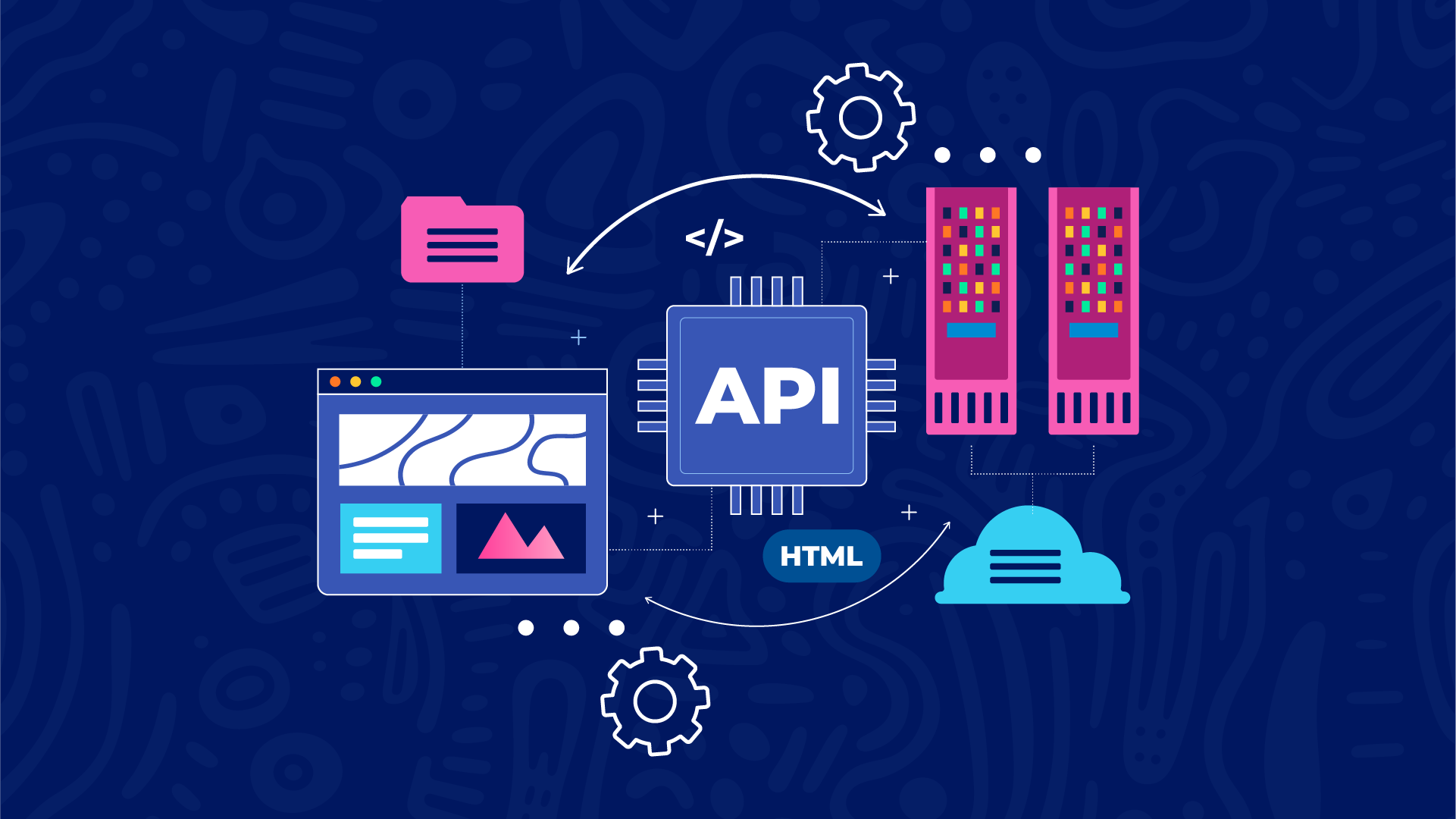
To transform your workflow from rule-based, rigid scripts to goal-oriented, autonomous systems, agent AI automates data collection. These agents utilise planning and reasoning to crawl query databases, invoke APIs, crawl web sources, and parse unstructured documents to generate a dynamic data ecosystem.
Assigning an agent AI for enterprise to manage your data infrastructure includes multiple core capabilities:
- Autonomous goal execution
Rather than depending on manual commands, you only need to define high-level intent to the agentic AI and determine the necessary steps ahead.
- Tool orchestration
An artificial agent utilises built-in capabilities, such as API connections, web search, and script execution, to generate real-time data from multiple resources.
- Dynamic adaptation
When a particular website updates its structure or layout, or an API gives an error, AI powered solutions evaluate the situation, edit their strategy, and further attempt to resolve the problem without any human intervention.
- Regular cleansing
AI agents from platforms like Onetab.AI collect raw data, process it, and format it into structured results and then upload it to your data warehouses directly.
Hence, to implement your AI agentic for data collection, make sure to consider the key factors given below:
- Identify your objective
For appropriate data collection by your AI agent, you must first specify clearly the data you want to collect, the frequency needed and the target storage format.
- Assigned tools
Make sure to connect your business AI tools to the needed data sources, such as internal documents, stores, databases, or web scraping APIs.
- Mention governance rules
When you implement your AI agentic to collect data, make sure to establish access controls and boundaries to ensure your AI agentic implements strict privacy standards and data lineage, especially when managing sensitive information.
- Deploy and monitor
Allow your AI agents to work autonomously, then monitor their results for accuracy and refine their instructions or prompts as required.
Data Analysis with Agentic AI
Rather than depending on user input, agent AI powered solutions function as digital collaborators that sense, reason, and give results for changing business requirements. Their essential features consist of exploring data and generating insights by themselves, reasoning, via complex problems, understanding natural language questions, and continuing learning constantly.
- Autonomous exploration and generation of insights
Agent AI performs automated analysis of data to explore datasets, highlight emerging risks or opportunities, and identify unusual patterns. These agents:
- Scan unstructured and structured data sources continuously
- Detect performance shifts or anomalies automatically
- Generate next step recommendations and explanations without any manual queries
Altogether, it minimises the backlog of analytics requests while letting decisions be made with greater context and speed.
- Multi-step reasoning and understanding
Online traditional automation models only surface core relations, AI agents connect cause and effect. These agents implement reasoning techniques and:
- Break down complicated questions into smaller analytical ones
- Bring together different data sources for contextual accuracy
- Offer clear reasoning parts, which can be audited and reviewed
- Easy usage and natural language interaction
AI agents let users connect with data conversationally. Rather than configuring dashboards or writing SQL, teams can also put up questions in the preferred language and get answers with written or visual explanations. This functionality drives faster time to insights, better data access across non-technical teams and better collaboration between business and technical users.
- Constant learning
An agent AI for enterprise comes with the feature of learning from feedback and improving over time. The systems edit their reasoning models on the basis of results, monitor results of past recommendations and trigger workflows or alerts any time a new trend appears. This capacity of AI agents creates a self-improving feedback loop where analytics shift from reactive reporting to intelligence.
Agentic AI – Data Reporting
Shifting from collecting data manually to automating report generation minimises the aggregation bottleneck, transforming the way you provide insights to decision makers. AI agents grab information from different systems and create reports while you concentrate on strategy recommendations and interpretation. Some of the key steps to implement for efficient data reporting via agent AI are as follows:
- Identify your target
Many businesses generate hundreds of reports every week, including compliance updates, financial summaries, project status reports, risk assessments, and performance dashboards. Creating these reports manually is time-consuming, slows down decision-making, and consumes significant employee hours on repetitive tasks. Instead of automating everything at once, start with a single high-impact report that relies on data from multiple sources and is generated frequently. Before implementation, measure key metrics such as report preparation time, number of systems involved, and data accuracy. Run a small pilot, refine the process, and then scale automation with confidence.
- Connect data sources and generate templates
Once you choose a suitable platform, connect your data sources and generate a report template. We begin with the main information resource, such as your CRM or project management tool, and make sure that the data flows correctly before integrating other systems. Moreover, map fields, configure access, and set update frequencies. Now design a report structure, including summaries, key metrics, and action items. You can use alerts to highlight vital issues and analyse the report with past data for accuracy before scheduling and automating it.
- Extract insights from unstructured documents
Structured data from tools, such as project management platforms and CRMs, offers valuable metrics, but crucial websites often stay hidden in emails, documents, tickets, and contracts. AI agents analyse these unstructured sources automatically to determine customer sentiment, extract risks, project updates, contract details, and other major information. By combining insights from different sources, reports are more complete and accurate without any manual intervention. Moreover, for reliable results, start automating certain document-based tasks that you currently handle to compare the results with your present reports.
- Automate generation
With data connections tested and templates ready, you can now eliminate manual report compilation completely. The AI agents perform automation in two parts, including generating reports and forwarding them to stakeholders. Reports can be triggered on a weekly or monthly basis or on specific events. You can later distribute this report in multiple formats to different stakeholders via dashboards, emails, team collaboration, tools, or spreadsheets. Before launching, make sure to test the complete workflow to ensure reports are correctly generated, forwarded to the correct people, and all data and links are working as expected.
Conclusion
AI agents have marked a turning point in the way businesses use data. These agents have transformed analytics beyond just periodic reporting and static dashboards towards a model of continuous, proactive intelligence. Onetab.AI’s agentic AI not only analyse information, but they interpret, explains and acts on it in real time, creating a live analytics environment evolving alongside the businesses.
FAQs
Q1. Can AI agents replace data cleaning?
Yes, AI agents assist data teams in automating mundane, repetitive tasks such as missing value imputation, data cleaning, and data labelling. However, systematic structural issues or complex formatting in legacy systems still need human intervention.
Q2. Which data sources can AI agents analyse?
AI agents can be connected to unstructured and structured sources, including APIs, databases, event streams, and cloud warehouses. Some of the common integrations include Databricks, Snowflake, Redshift, and marketing or custom systems, such as HubSpot or Salesforce.
Q3. Are AI agents suitable for data collection and reporting for small companies?
Yes. Certain cloud-based solutions make AI agents accessible to smaller businesses. By beginning with targeted use cases, such as customer retention or marketing optimisation, small businesses can also gain valuable results without large investments.